druse.org
History under empire

A people in the mountains of the Levant

تاريخ الموحّدين الدروز

The Druse story spans a thousand years and four empires. This is an accessible overview — aggregated from public histories — of how the community formed, endured, and shaped the lands it calls home.

01

11th century onward

Origins of the Druse Faith
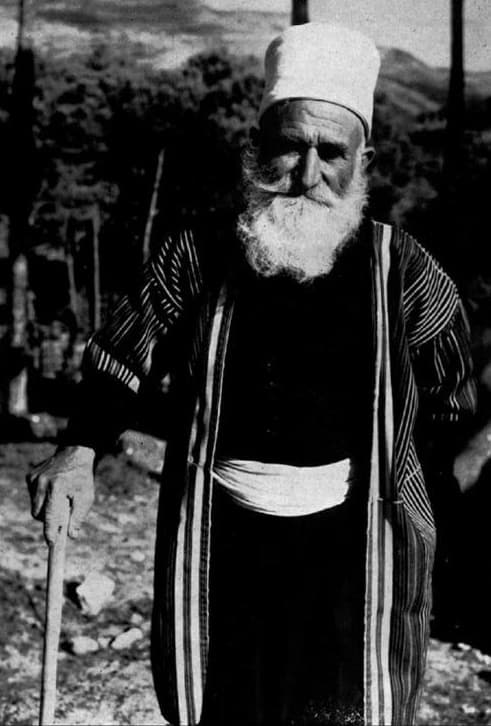
A Druse elder in traditional dress
Margaret Clark Keatinge · Public domain · via Wikimedia Commons

The Druse call themselves al-Muwaḥḥidūn — 'the Unitarians' or 'the people of monotheism.' Their movement arose in the early 11th century during the reign of the Fatimid caliph al-Hakim bi-Amr Allah, growing out of currents within Ismaili Shia Islam but developing into a distinct faith with its own theology, sacred texts, and identity.

By the mid-11th century the community had closed to new converts, becoming a tightly knit society that preserved itself through endogamy and a strong sense of solidarity. Its religious teachings are esoteric, entrusted to an initiated class (the ʿuqqāl, the 'knowers'), while the wider community (the juhhāl) lives by the faith's ethical and communal traditions.

Seeking refuge and autonomy, Druse communities settled in defensible mountain regions — Mount Lebanon, the Anti-Lebanon, the Galilee and Carmel, and later the volcanic highlands of southern Syria. Geography shaped a culture known for self-reliance, loyalty, and martial readiness.

Self-name

al-Muwaḥḥidūn — 'the Unitarians,' people of monotheism.

Closed community

The faith closed to conversion in the 11th century.

Two classes

The initiated ʿuqqāl and the wider juhhāl.

Mountain homelands

Lebanon, Syria, the Galilee/Carmel, and the Hauran.
02

16th – early 20th century

Under Ottoman Rule

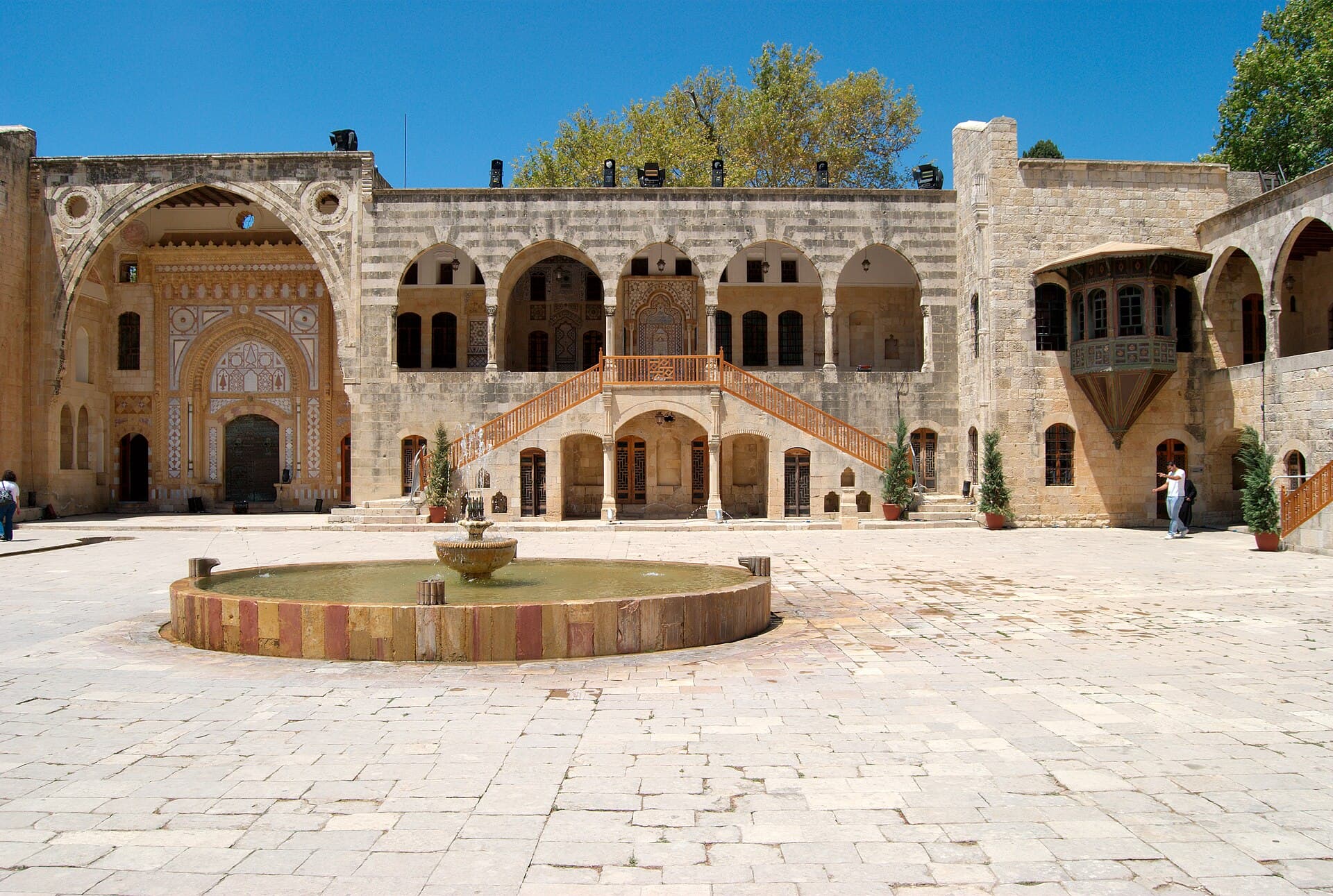
Courtyard of Beiteddine Palace in the Chouf
Peripitus · CC BY-SA 3.0 · via Wikimedia Commons

After the Ottomans took the Levant in 1516, the Druse of Mount Lebanon governed themselves through powerful feudal houses under loose imperial oversight. The Maʿn dynasty produced Fakhr al-Din II, who in the early 17th century built a near-independent principality spanning much of today's Lebanon and beyond before the Ottomans executed him in 1635.

Leadership later passed to the Shihab emirs. Over time, demographic and political shifts in Mount Lebanon strained relations between Druse and Maronite Christian communities, culminating in the violent conflict of 1860. The aftermath drew European intervention and led to a special autonomous status (the Mutasarrifate) for Mount Lebanon.

Through the 18th and 19th centuries, waves of Druse migrated south and east into the Hauran plateau and the volcanic highlands that became known as Jabal al-Druse (the 'Mountain of the Druse') in southern Syria. There, families such as the Atrash built a new center of Druse life that would later become a base of resistance.

The Druse relationship with Istanbul oscillated between accommodation and revolt, including armed uprisings in Jabal al-Druse against Ottoman conscription and taxation in the late 19th and early 20th centuries.

Fakhr al-Din II

Built a proto-Lebanese principality; executed by the Ottomans in 1635.

1860 conflict

Sectarian violence in Mount Lebanon led to European intervention and autonomy.

Jabal al-Druse

19th-century migration created a Druse heartland in southern Syria.

Revolts

Uprisings against Ottoman conscription and taxation.

03

1920 – 1946

The French Mandate

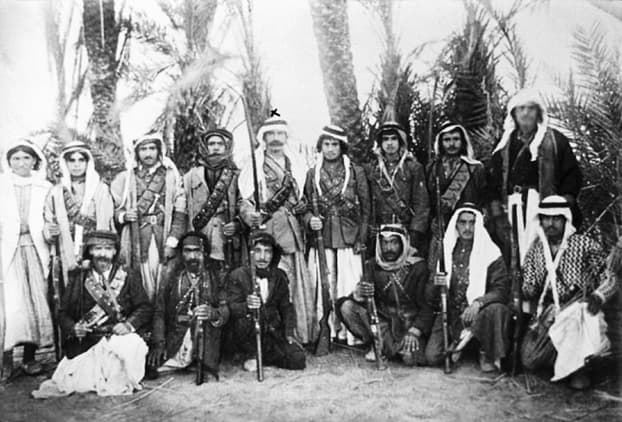
Rebels of the Great Syrian Revolt, 1925
Unknown (historical photograph) · Public domain · via Wikimedia Commons

After the First World War and the fall of the Ottoman Empire, France assumed League of Nations mandates over Syria and Lebanon. The French initially carved the region into smaller states, including an autonomous State of Jabal Druse in the south of Syria (1921–1936) centered on Suwayda.

French administrative interference in Jabal al-Druse ignited the Great Syrian Revolt of 1925–1927, led by Sultan Pasha al-Atrash. What started as a Druse uprising spread into a nationwide struggle for Syrian independence, uniting communities under the banner of nation over sect. The French suppressed it with heavy force, including the bombardment of Damascus, but the revolt became a cornerstone of Syrian national memory.

In Lebanon, the Mandate period set the stage for the confessional political system and produced a new generation of Druse leaders. It was in this world that Kamal Jumblatt came of age, soon to found a party aimed at transcending sectarian division.

By 1943–1946, Syria and Lebanon achieved independence, with Druse figures counted among the heroes of the anti-colonial struggle.

State of Jabal Druse

A French-created autonomous Druse state, 1921–1936.

Great Syrian Revolt

1925–1927, led by Sultan al-Atrash; a foundation of Syrian nationalism.

'The nation for all'

The revolt's appeal to unity across sects.

Independence

Syria and Lebanon free by the mid-1940s.

04

1917 – 1948

The British & the Wider Region

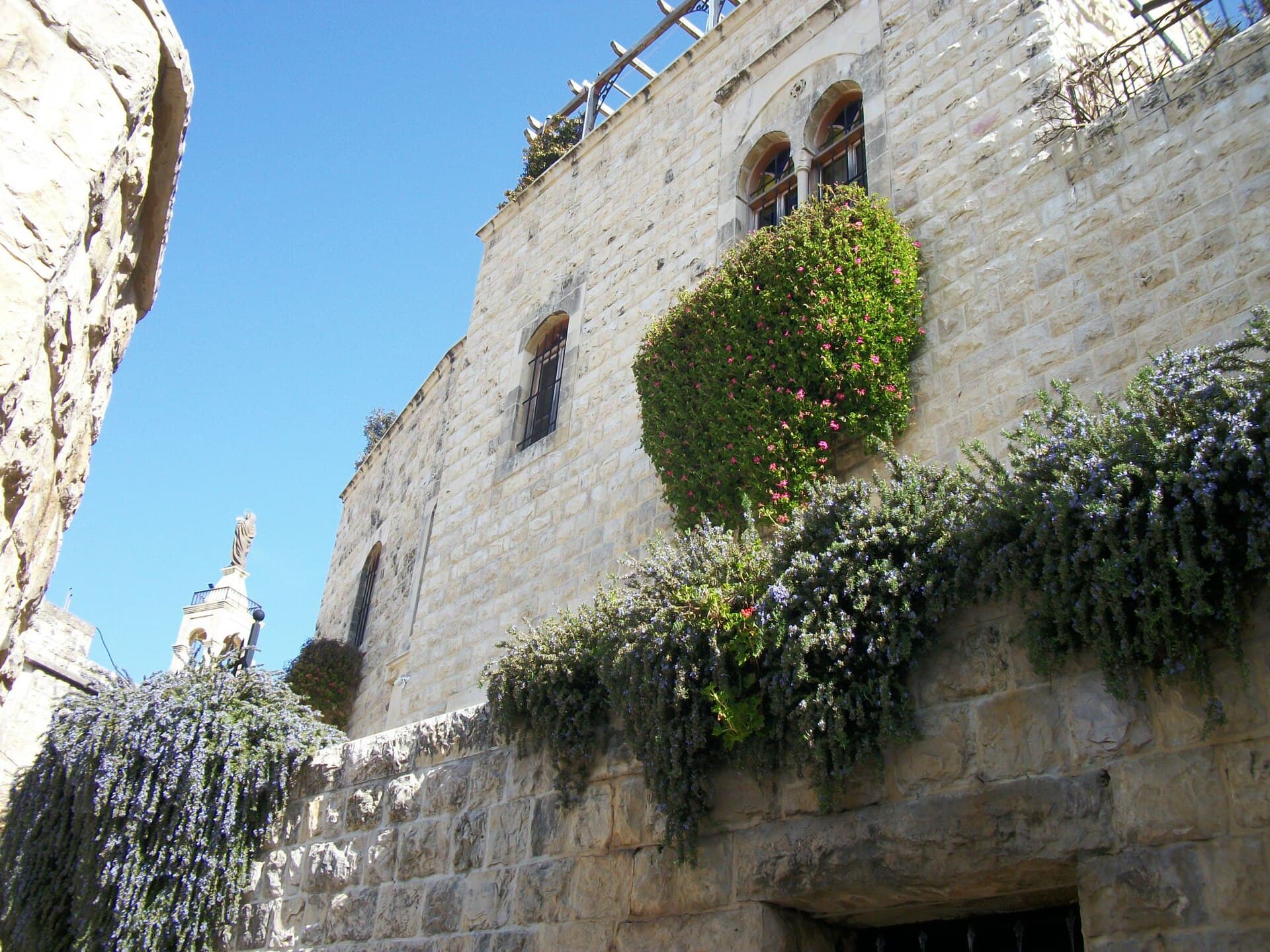
Traditional stone houses of Deir el-Qamar
Patrice Bon · CC0 · via Wikimedia Commons

While France held Syria and Lebanon, Britain administered Mandatory Palestine after 1917. There, long-established Druse villages in the Galilee and on Mount Carmel — communities present for centuries — found themselves inside a new and contested political framework.

The Druse of Palestine generally sought to protect their communities and autonomy amid rising tensions. Their distinct communal identity and history of self-governance shaped the choices they made through the Mandate years and into the events of 1948.

British engagement with the Druse also extended to scholarship and travel: European and British orientalists, officials, and explorers documented Druse society, helping make information about the community available to a wider world — sometimes accurately, sometimes through the distortions of the colonial gaze.

Across the British and French zones alike, the early 20th century scattered the Druse among emerging nation-states — Lebanon, Syria, the future Israel, and Jordan — a division whose consequences still shape Druse life today.

Galilee & Carmel

Centuries-old Druse villages under British Mandate Palestine.

Communal autonomy

A consistent Druse priority through turbulent years.

Documented abroad

British and European writing spread knowledge of the Druse.

A divided people

New borders split the Druse across four states.

05

1946 – present

The Druse Today

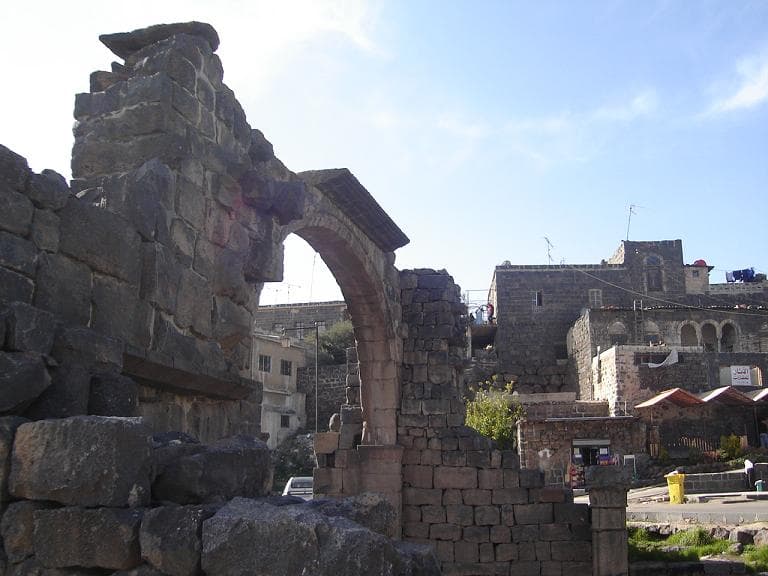
Ancient arch and basalt houses in as-Suwayda, Jabal al-Druse
KFZI310 · Public domain · via Wikimedia Commons

Today the Druse number perhaps a million or more worldwide, concentrated in Lebanon (the Chouf and beyond), Syria (Suwayda and the Damascus region), Israel (the Galilee, Carmel, and Golan), and Jordan, with significant diaspora communities in the Americas, Australia, Europe, and West Africa.

In each country the Druse have shaped national life: as political leaders and parliamentarians, soldiers and officers, scholars, doctors, artists, and entrepreneurs. The community is known for a strong ethic of loyalty to the land it lives in alongside a fierce protection of its own identity.

Modern Druse history has not been without hardship — civil wars, displacement, and periods of violence have tested communities across the Levant. Yet the threads of solidarity, faith, and shared memory continue to bind the Druse together across borders.

This is the living story that druse.org hopes to gather and honor: a small people with an outsized role in the history of the Levant, and a future still being written by its communities at home and abroad.

Four homelands

Lebanon, Syria, Israel, and Jordan.

Global diaspora

The Americas, Australia, Europe, West Africa.

Public life

Leaders in politics, the military, medicine, and the arts.

Living memory

Solidarity and identity carried across borders.

A note on sources. These overviews draw on widely available encyclopedic and scholarly histories. History is contested and always incomplete — if you can add detail, a source, or a correction, we would be honored to include it. Contribute here.