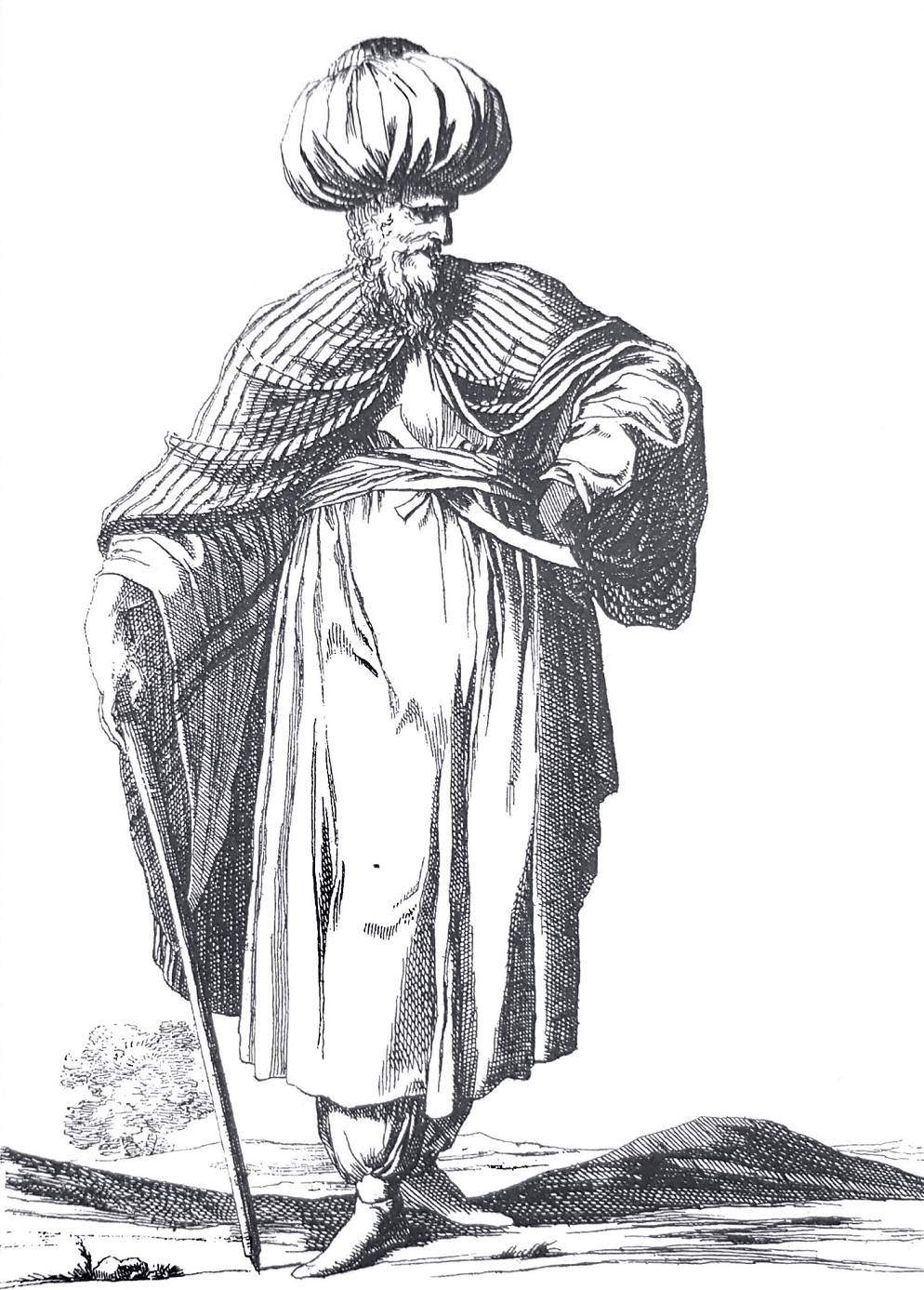
Fakhr al-Din II rose from the Maʿn family of the Chouf mountains to become the most powerful figure in the Levant of his age. Through a mix of diplomacy, taxation reform, and military strength, he extended his rule from the Druse heartland of Mount Lebanon across the coast and into parts of present-day Syria, Palestine, and the Galilee — bringing Druse, Maronite Christian, Sunni, and Shia communities under one administration.
He is widely credited with laying early foundations of a Lebanese political entity: a territory governed from within rather than directly from Istanbul, with its own commerce, security, and identity. He encouraged the silk trade, modernized agriculture, fortified towns, and invited European merchants and engineers, signing a commercial and military understanding with the Grand Duchy of Tuscany.
His autonomy alarmed the Ottoman Porte. After years of friction, an Ottoman campaign defeated him; he was captured and, in 1635, executed in Istanbul along with members of his family. Yet the memory of a self-governing Mount Lebanon outlived him.
For generations of Lebanese — Druse and Christian alike — Fakhr al-Din became a symbol of coexistence and home rule. National narratives often name him as the first builder of the idea of Lebanon, and his story sits at the founding myth of the country.
“He governed a mountain of many faiths as one country, and in doing so sketched the outline of a nation that did not yet have a name.”
Sources & further reading
- Encyclopædia Britannica — Fakhr al-Dīn II
- Kamal Salibi, A House of Many Mansions: The History of Lebanon Reconsidered
Aggregated from public sources. Spotted an error? Let us know.